Dečko iz Konga: Kada muzika postane glas nade, a porodica razlog da se ne odustane
English version below
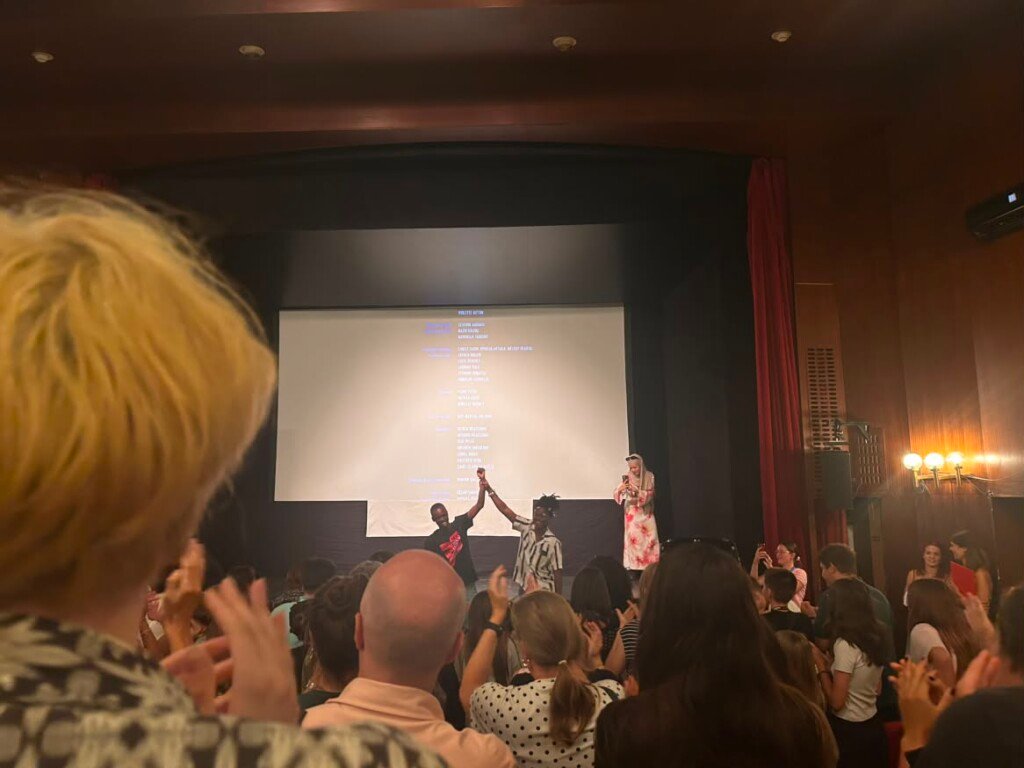
Kada je film završio, nekoliko trenutaka niko nije ustajao. U sali je ostala tišina, a zatim se pretvorila u dug i iskren aplauz koji je govorio više od riječi.
Bio je to jedan od onih rijetkih trenutaka kada film prestane biti samo projekcija i postane susret ljudi, emocija i priče. „Dečko iz Konga“ (Congo Boy) reditelja Rafikija Fariale nije ostavio publiku samo sa težinom onoga što je vidjela, nego sa osjećajem da je upravo svjedočila nečemu iskrenom, snažnom i duboko ljudskom.
Prikazan u okviru programa TeenArena Sarajevo Film Festivala, ovaj film donosi priču o sedamnaestogodišnjem Robertu iz Bangija, mladiću koji, dok njegova zemlja prolazi kroz teške okolnosti, pokušava sačuvati ono najvažnije – porodicu, identitet i vjeru u vlastite snove.
*Sarajevo Film Festival
Ali „Dečko iz Konga“ nije samo priča o ratu i gubitku. To je priča o ljubavi između braće i sestara, o prijateljstvu koje ostaje kada je najteže, o roditeljskim očekivanjima, ali i o hrabrosti da čovjek izabere svoj put.
I možda upravo tu počinje njegova najveća snaga.
Ne od okolnosti koje su Robertu oduzele djetinjstvo.
Nego od čovjeka koji je, uprkos svemu, odlučio ostati svoj.
Dječak koji je morao odrasti prije vremena
Radnja filma vodi nas u Bangui, glavni grad Centralnoafričke Republike. Sedamnaestogodišnji Robert sanja o muzičkoj karijeri, ali njegovu svakodnevicu prekida stvarnost zemlje obilježene sukobima.
Kada njegove roditelje pošalju u zatvor, Robert ostaje sam sa četvero mlađe braće i sestara.
Od tog trenutka njegov život dobija odgovornost sa kojom se nijedno dijete njegovih godina ne bi trebalo suočiti.
Dok njegovi vršnjaci razmišljaju o školi, prijateljstvima i budućnosti, Robert razmišlja kako zaštititi porodicu, kako pronaći način da prežive i kako ostati uz one koje voli.
Ali ono što ovaj film čini drugačijim jeste činjenica da Robert nikada nije prikazan samo kao žrtva okolnosti.
On nije samo dječak iz ratom pogođene zemlje.
On je brat koji čuva mlađe. Sin koji ne odustaje od roditelja. Prijatelj koji vjeruje ljudima, ali i čovjek kojem drugi vjeruju. Mladić koji, uprkos svemu, i dalje ima san.
I upravo zbog toga njegova priča toliko snažno djeluje.
Jer film ne pita samo: kako ljudi preživljavaju najteže okolnosti?
On postavlja još važnije pitanje: šta je ono što nas drži kada nam okolnosti pokušavaju oduzeti sve?
Porodica, prijateljstvo i put prema vlastitom snu
Najveća snaga filma nalazi se u odnosima među ljudima.
U Robertovoj ljubavi prema mlađoj braći i sestrama koje štiti čak i onda kada opasnost postaje dio njihove svakodnevice. U njegovoj upornosti da posjećuje roditelje u zatvoru, bez obzira na prepreke. U odluci da ne odustane od svoje porodice čak i onda kada bi bilo lakše misliti samo na sebe.
Ali „Dečko iz Konga“ ne govori samo o porodičnoj ljubavi. Govori i o prijateljstvu koje se pojavljuje onda kada je najpotrebnije.
Robertov najbolji prijatelj ostaje uz njega u trenucima kada se mnogi drugi udaljavaju. Pomaže mu kada nema dovoljno novca, vjeruje u njega kada drugi sumnjaju i pokazuje da podrška ponekad može biti najveći oblik hrabrosti.
U svijetu u kojem često tražimo velike herojske geste, ovaj film podsjeća da se najveća snaga često krije u jednostavnim stvarima:
Biti tu.
Ostati.
Ne okrenuti leđa.
Jedan od trenutaka koji posebno ostaje nakon filma jeste rečenica Robertovog oca:
„Ako otac gradi kolibu, dijete mora izgraditi dobru kuću.“
Naizgled jednostavna misao nosi u sebi cijelu priču o generacijama, roditeljstvu i naslijeđu. Roditelji nam daju temelje, uče nas vrijednostima i pokazuju kako izgleda borba. Ali svako dijete jednom mora izgraditi vlastiti put.
Robert upravo pokazuje kako se od onoga što nam je dato može izgraditi nešto sasvim svoje.
On ne odbacuje ono što je dobio od svojih roditelja. Naprotiv, njegova ljubav prema njima pokreće ga da završi školu i ispuni očekivanja oca koji želi najbolje za njega. Ali istovremeno u sebi nosi nešto što ne može zanemariti – muziku.
I upravo tu je najveća ljepota ove priče.
Ovo nije izbor između porodice i snova.
Ovo je priča o tome kako čovjek, noseći sve ono što je dobio od drugih, ipak mora pronaći vlastiti glas.
“Pokušaj ne izgubiti nadu. Imaj vjere.”
Ova rečenica možda najbolje opisuje cijeli Robertov put. Nada u ovom filmu nije laka niti dolazi onda kada se problemi čudesno riješe. Ona je odluka da se nastavi dalje, čak i kada drugi sumnjaju u tebe, kada sve ide protiv tebe i kada ti se čini da nema prostora za ono što želiš.
Robert zna šta želi, iako ni oni koji ga vole uvijek ne vjeruju da je muzika njegov ispravan put. Ipak, njegov san nije bijeg od stvarnosti, nego način da u njoj pronađe svoje mjesto i svoj glas.

Zato trenutak u kojem dobija priliku pokazati talenat nije samo njegova pobjeda. To je potvrda da vrijedi ostati vjeran sebi, čak i onda kada vam drugi govore da nećete uspjeti.
Jer ponekad je jedino vjera u ono što jesmo prvi korak prema onome što možemo postati.
A srce uvijek pronađe put do onoga što zaista jesmo.
Identitet koji se ne može ostaviti iza sebe
„Dečko iz Konga“ na poseban način priča o identitetu i pripadanju. Robert je Kongoanac koji živi u Centralnoafričkoj Republici, a njegovo iskustvo izbjeglištva nije prikazano kroz velike riječi i brojke, već kroz svakodnevni život jednog mladića koji pokušava pronaći svoje mjesto u svijetu.
Dom nije samo mjesto iz kojeg dolazimo. Dom su ljudi, jezik, kultura, sjećanja i sve ono što nosimo sa sobom čak i kada moramo otići. Robertova borba u filmu „Dečko iz Konga“ zato nije samo borba za budućnost, već i za pravo da bez skrivanja bude ono što jeste. Njegov identitet nije prepreka njegovom putu, nego dio njega koji više ne želi odvajati od sebe.
Tu se posebno osjeti lična priča reditelja Rafikija Fariale, koji i sam nosi iskustvo izbjeglištva. Zato film o toj temi ne govori izvana, već iz iskustva čovjeka koji zna kako izgleda tražiti mjesto kojem pripadaš.
Muzika, prilika i pravo da budeš svoj
U filmu „Dečko iz Konga“ muzika nije samo Robertov san. Ona je prostor u kojem može biti svoj, bez objašnjavanja i bez tuđih očekivanja. Zato njegova borba za muziku nije samo borba za karijeru, već za pravo da izabere vlastiti put.

Ta se priča na zanimljiv način nastavila i izvan filma, kroz Bradleyja Fiomonu Dembeasseta, kojem je uloga Roberta bila prvo veliko filmsko iskustvo. Budući da i sam želi da se bavi muzikom, ova uloga bila je jedna od poveznica koje su ga približile liku, a kako je ispričao nakon sarajevske projekcije, tek je u Cannesu počeo shvatati u kakav je svijet zapravo ušao i koliko znače festival i nagrada koju je dobio. Za ulogu Roberta osvojio je nagradu za najboljeg glumca u selekciji Un Certain Regard.
Možda je upravo zato njegov susret s publikom u Sarajevu bio toliko poseban. Mladi glumac koji još uvijek otkriva šta sve ovaj svijet može donijeti, stajao je pred publikom zajedno s rediteljem koji je kroz vlastito iskustvo izbjeglištva odlučio ispričati priču o mladim ljudima koji, uprkos okolnostima, pokušavaju pronaći svoj put.
Fariala je govorio o mladima, o snovima, ali i o potrebi da svijet vidi život ljudi koji su prisiljeni živjeti kao izbjeglice. „Dečko iz Konga“ zato ne traži od nas da Roberta posmatramo kroz ono što mu se dogodilo. Traži da ga upoznamo kao mladića koji ima humor, talenat, porodicu, prijatelja i san. Koji ima svoj identitet, a ne zove se “izbjeglica”.
Robert nam tako ostaje u sjećanju prije svega kao čovjek sa svojim snovima, porodicom i nadama, a tek onda kao neko čiji je život obilježen ratom i izbjeglištvom.
Dečko iz Konga – film koji nadilazi granice godina i kategorija
„Dečko iz Konga“ prikazan okviru TeenArena programa Sarajevo Film Festivala, priča je kakvu je teško smjestiti u bilo koju dobnu kategoriju. Jer neke priče nisu dječije, već ljudske.
A ova Robertova nas ostavlja s jednostavnom mišlju: okolnosti često mogu odrediti kakav će biti naš put, koliko teških borbi ćemo imati, ali ne moraju odlučiti ko ćemo postati. Možemo izgubiti mnogo toga, ali ipak sačuvati ono najvažnije – porodicu, identitet, vjeru u sebe i pravo da sanjamo.
Možda je zato nakon filma u Pozorištu mladih bilo toliko emocija, a aplauz trajao toliko dugo. Publika nije samo nagradila film. Prepoznala je nešto svoje u dječaku koji, uprkos svemu što mu se događa, bira da vjeruje.
„Pokušaj ne izgubiti nadu. Imaj vjere.“
I to je ono što „Dečko iz Konga“ nosi sa sobom.
Film: Dečko iz Konga (Congo Boy)
Režija: Rafiki Fariala
Zemlje: Centralnoafrička Republika, Francuska, Demokratska Republika Kongo, Italija
Program: TeenArena – Sarajevo Film Festival
Glavna uloga: Bradley Fiomona Dembeasset
Nagrada: Najbolji glumac, Un Certain Regard – Cannes Film Festival 2026
*CONGO BOY – Festival de Cannes
Tekst pripremila: Maida K. Kamo Sutra – kultura koja živi kroz priče o ljudima, mjestima i naslijeđu.
Congo Boy: When Music Becomes a Voice of Hope, and Family a Reason Not to Give Up
When the film ended, no one got up for a few moments. Silence filled the room before turning into a long, heartfelt applause that said more than words could.
It was one of those rare moments when a film stops being just a screening and becomes a meeting point for people, emotions and a story. “Congo Boy”, directed by Rafiki Fariala, did not leave its audience only with the weight of what they had witnessed, but with the feeling that they had just experienced something sincere, deeply human and impossible to simply leave behind.
Presented as part of the TeenArena programme at the Sarajevo Film Festival, the film tells the story of seventeen-year-old Robert from Bangui, a young man who, while his country faces difficult circumstances, tries to hold on to what matters most – his family, his identity and his faith in his dreams.
But “Congo Boy” is not only a story about war and loss. It is a story about the love between brothers and sisters, about friendship that remains when things become difficult, about parental expectations, and about the courage to choose one’s own path.
And perhaps that is where the story truly begins.
Not with the circumstances that took Robert’s childhood away.
But with the young man who, despite everything, chooses to remain himself.
A Boy Forced to Grow Up Too Soon
The film takes us to Bangui, the capital of the Central African Republic. Seventeen-year-old Robert dreams of a career in music, but his everyday life is interrupted by the reality of a country marked by conflict.
When his parents are sent to prison, Robert is left alone with his four younger brothers and sisters.
From that moment on, he is faced with a responsibility no child his age should have to carry.
While his peers think about school, friendships and the future, Robert is thinking about how to protect his family, how to find a way for them to survive and how to remain there for the people he loves.
Yet what makes the film different is that Robert is never portrayed simply as a victim of his circumstances.
He is not only a boy from a country affected by conflict.
He is a brother who protects the younger ones. A son who refuses to give up on his parents. A friend who trusts others, but is also trusted by them. A young man who, despite everything, still has a dream.
And that is what makes his story resonate so deeply.
Because the film does not only ask: How do people survive the most difficult circumstances?
It asks an even more important question: What is it that keeps us going when circumstances try to take everything away from us?
Family, Friendship and the Path Towards One’s Own Dream
The greatest strength of the film lies in the relationships between people.
In Robert’s love for his younger brothers and sisters, whom he protects even when danger becomes part of their everyday lives. In his determination to visit his parents in prison, despite every obstacle. In his decision not to give up on his family, even when it might be easier to think only of himself.
But “Congo Boy” is not only about family love. It is also about friendship that appears when it is needed most.
Robert’s best friend stays by his side when many others begin to walk away. He helps him when Robert does not have enough money, believes in him when others doubt him, and shows that sometimes simply standing by someone can be one of the greatest acts of courage.
In a world where we often look for grand heroic gestures, this film reminds us that courage can often be found in the simplest things:
Being there.
Staying.
Not turning away.
One of the lines that stays with you long after the film is spoken by Robert’s father:
“If a father builds a hut, the child must build a good house.”
A seemingly simple thought carries an entire story about generations, parenthood and what we leave behind. Parents give us foundations, teach us values and show us what struggle looks like. But every child eventually has to build a path of their own.
Robert shows exactly how something of one’s own can be built from what has been given to us.
He does not reject what he has received from his parents. On the contrary, his love for them drives him to finish school and fulfil the expectations of a father who wants the best for him. But at the same time, there is something inside him he cannot ignore – music.
And perhaps that is what makes this story so beautiful.
It is not a choice between family and dreams.
It is about carrying everything we have received from others while still finding our own voice.
“Try Not to Lose Hope. Have Faith.”
This sentence perhaps describes Robert’s entire journey. Hope in this film is neither easy nor something that arrives once all the problems have miraculously disappeared. It is the decision to keep going, even when others doubt you, when everything seems to be working against you, and when there appears to be no room for what you want.
Robert knows what he wants, even when the people who love him do not always believe that music is the right path for him. Yet his dream is not an escape from reality. It is the way he tries to find his place and his voice within it.
That is why the moment when he finally gets the chance to show his talent is not simply a personal victory. It is a reminder that remaining true to yourself matters, even when others tell you that you will not succeed.
Because sometimes believing in who we are is the first step towards becoming who we can be.
And the heart always finds its way back to who we truly are.
An Identity That Cannot Be Left Behind
“Congo Boy” speaks about identity and belonging in a particularly powerful way. Robert is Congolese, living in the Central African Republic, and his experience as a refugee is not presented through statistics or political debates, but through the everyday life of a young man trying to find his place in the world.
Home is not simply the place we come from. It is people, language, culture, memories and everything we carry with us even when we are forced to leave. Robert’s struggle in “Congo Boy” is therefore not only a struggle for his future, but also for the right to be who he is without hiding it. His identity is not an obstacle on his path; it is part of him, something he no longer wants to separate from himself.
This is where the director’s personal story becomes especially meaningful. Rafiki Fariala also carries the experience of displacement. His film therefore does not speak about the refugee experience from the outside, but from the perspective of someone who knows what it means to search for a place where you belong.
Music, Opportunity and the Right to Be Yourself
In “Congo Boy”, music is not simply Robert’s dream. It is the space in which he can be himself, without having to explain who he is or live according to other people’s expectations. His fight for music is therefore not only a fight for a career, but for the right to choose his own path.
That story continues in an interesting way beyond the film, through Bradley Fiomona Dembeasset, for whom playing Robert was his first major film experience. He also dreams of pursuing music, and that shared connection was one of the things that brought him closer to the character. As he explained after the Sarajevo screening, it was only when he arrived in Cannes that he began to understand what kind of world he had entered and what the festival and the award he received actually meant. He went on to win the Best Actor award in the Un Certain Regard section for his performance as Robert.
Perhaps that is why his encounter with the Sarajevo audience felt so special. A young actor who is still discovering what this world can bring stood before the audience alongside a director who, drawing on his own experience of displacement, chose to tell a story about young people trying to find their way despite the circumstances surrounding them.
Fariala spoke about young people, about dreams, but also about the need for the world to see the lives of people forced to live as refugees. “Congo Boy” does not ask us to look at Robert only through what has happened to him. It asks us to meet him as a young man with humour, talent, a family, a friend and a dream. A young man with an identity of his own, rather than simply being labelled a “refugee.”
Robert therefore remains in our memory first and foremost as a person with dreams, a family and hopes, and only then as someone whose life has been shaped by war and displacement.
Congo Boy – A Film That Transcends Age and Category
“Congo Boy”, presented as part of the TeenArena programme at the Sarajevo Film Festival, is difficult to place within any particular age category. Because some stories are not children’s stories. They are human stories.
Robert’s journey leaves us with a simple thought: circumstances may determine how difficult our path will be and how many battles we will have to face, but they do not have to determine who we become. We may lose many things and still hold on to what matters most – family, identity, faith in ourselves and the right to dream.
Perhaps that is why the audience at Pozorište mladih was left with so much emotion, and why the applause lasted so long. The audience was not simply applauding a film. It recognised something of itself in a boy who, despite everything happening around him, chooses to believe.
“Try not to lose hope. Have faith.”
And that is what “Congo Boy” leaves with us.